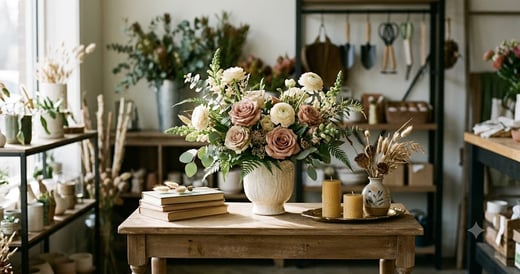
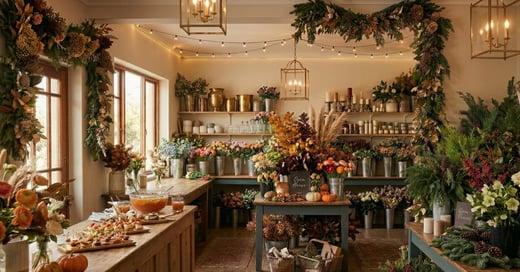
Everyone loves a sale! Sidewalk sales. Tent sales. Yard sales. Tag sales. Whatever you call them, their appeal is consistent: sunny weather, increased traffic, and a legitimate reason for customers to come to your shop with their wallets ready. Done right, a summer outdoor sale is one of the most effective traffic-building events a flower shop can have.
Done carelessly, it looks like a junk sale - and nothing will damage your brand faster than giving customers the impression that your shop is clearing out things nobody wanted.
Here is how to run one that builds your reputation and your bottom line at the same time.
Check the Rules First
Before you plan anything, confirm with your landlord and your city's permit and zoning department that you are allowed to stage an outdoor sale. Many municipalities require permits for outdoor signage, banners, or flags. Find this out before you order the tent.
If you have the space, a canopy or tent over the sidewalk in front of your shop is worth the investment. It provides shade for shoppers, protects merchandise from weather, and acts as an attention-getter in its own right. Put it up the day before the sale, along with banners and flags along the sidewalk, to signal that something important is happening before a single customer arrives.
Not Everything Should Be Discounted
This is the most common mistake florists make with sidewalk sales: treating the event as a clearance exercise and marking everything down. Customers can sense when a sale is a junk removal exercise rather than a genuine value event, and it changes how they feel about the shop.
A well-run sidewalk sale should have approximately 50 percent of its merchandise at or near full margin. The discounted and clearance items draw the crowd. The full-price merchandise is where you make your money.
Mix your price points intentionally. Place discounted items alongside full-price items rather than sectioning them off separately. Customers who come for a bargain will often select full-price items that look good alongside the discounted ones. A $10 discounted seasonal accent piece sitting next to a $125 full-price arrangement will move both, often together.
Merchandise It as a Destination, Not a Discount Bin
Use a theme for your event. "Summer Sidewalk Sale" is sufficient and informative. If your area has a city festival, parade, or community event happening the same weekend, align your sale with it - people are already out and moving, and your sale becomes one more stop rather than a special trip.
You may also want to title your event “Annual Tent Sale” “We are making room for new gift items.” You do not want it to look like it is a “business is closing” event.
Keep the displays orderly throughout the day. A sale that looks "picked over" by midmorning has failed at the most important retail job: making every product look worth buying. Refresh displays as items sell. The sale should look elegant, not desperate. Clear price tags or pricing signs are important to provide clarity.
Include fresh flowers prominently. It is easy to focus entirely on hardgoods and slow-moving merchandise and forget that you are a flower shop. Check with your wholesalers for summer specials and pass the savings along. Buckets of individual stems set out for customers to build their own cash-and-carry bouquets are reliable sellers - customers who choose their own stems almost always select more than a florist would put in a standard arrangement.
If you are sitting on leftover Christmas inventory, a dedicated "Christmas in August" section is not a strange idea - it is a proven draw. Research consistently shows that a meaningful segment of consumers shop for holiday merchandise year-round, and a 25 to 50 percent discount on last year's items will move them reliably.
Make It an Event, Not Just a Sale
Food and drink at a sidewalk sale are expected and can be an opportunity for community partnership. A local civic organization willing to run a food stand as a fundraiser gives you built-in community goodwill, draws a crowd, and removes the logistical headache of catering the event yourself.
Simple entertainment - a face painter, a balloon artist, someone who can make flowers out of balloons - draws families and keeps people on site longer. The longer a customer stays, the more they buy.
Offer freebies tied to a spending threshold: a free bud vase for purchases over $75, a small plant for purchases over $125. These incentives move customers from browsers to buyers and create a memorable experience they will associate with your shop.
Getting the Word Out
Use many methods to spread the word about the event. Depending on what is available use online neighborhood groups, your website, social media, email, flyers attached to deliveries, etc.
Plan for Next Year Before You Close Today
The evening your sidewalk sale ends, gather your team and take notes. What moved fastest? What did not sell despite being discounted? What would you do differently? Get those notes on paper before the details fade.
The florists who run the best sidewalk sales do it the same way every year - same general timing, same theme, same feel. Customers who attended once know to come back. Consistency builds an annual event that markets itself.
Drive more traffic to your shop year-round by making sure customers can find you online. See where you rank in local Google search with our free florist rank scanner.
.png?width=89&height=50&name=Blog%20Design%20(1).png)